A&P Readiness Roadmap
Students don't all start A&P from the same place.
Some students enter anatomy & physiology with a strong understanding of biology, chemistry, and science learning strategies. Others have forgotten key concepts, or are unsure where to begin.
By the time those gaps become obvious, teachers have often already started new content that students are trying to fit onto unsteady mental models.
What if you knew where your students stood before the first unit, before they lose momentum?

Become a Founding Pilot Teacher
Join a small group of educators helping shape the first edition of the A&P Readiness Roadmap: a readiness system designed to help Anatomy & Physiology teachers identify prerequisite knowledge gaps before they become learning barriers.
Help Shape the Future of A&P Readiness
Introducing the A&P Readiness Roadmap
A diagnostic and support system for the first days of class.
The Roadmap helps teachers:
Identify prerequisite knowledge before instruction begins
Understand class-wide trends
Plan targeted review within planned units instead of reteaching everything
Begin the year with greater confidence
What’s Included
Bridge Assessment
A prerequisite knowledge assessment covering the foundational concepts students need before beginning Anatomy & Physiology.
Teacher Rollout Report
A two-page class-level summary showing:
Common misconceptions
Areas of strength
Topics that may need review
Patterns across the class
Recommendations for addressing misconceptions through existing units
Readiness Tune-Ups
Four virtual development sessions designed to help you:
Interpret student results
Plan targeted interventions throughout the school year
Discuss implementation questions
Share feedback that will improve future versions
Why I’m Making This
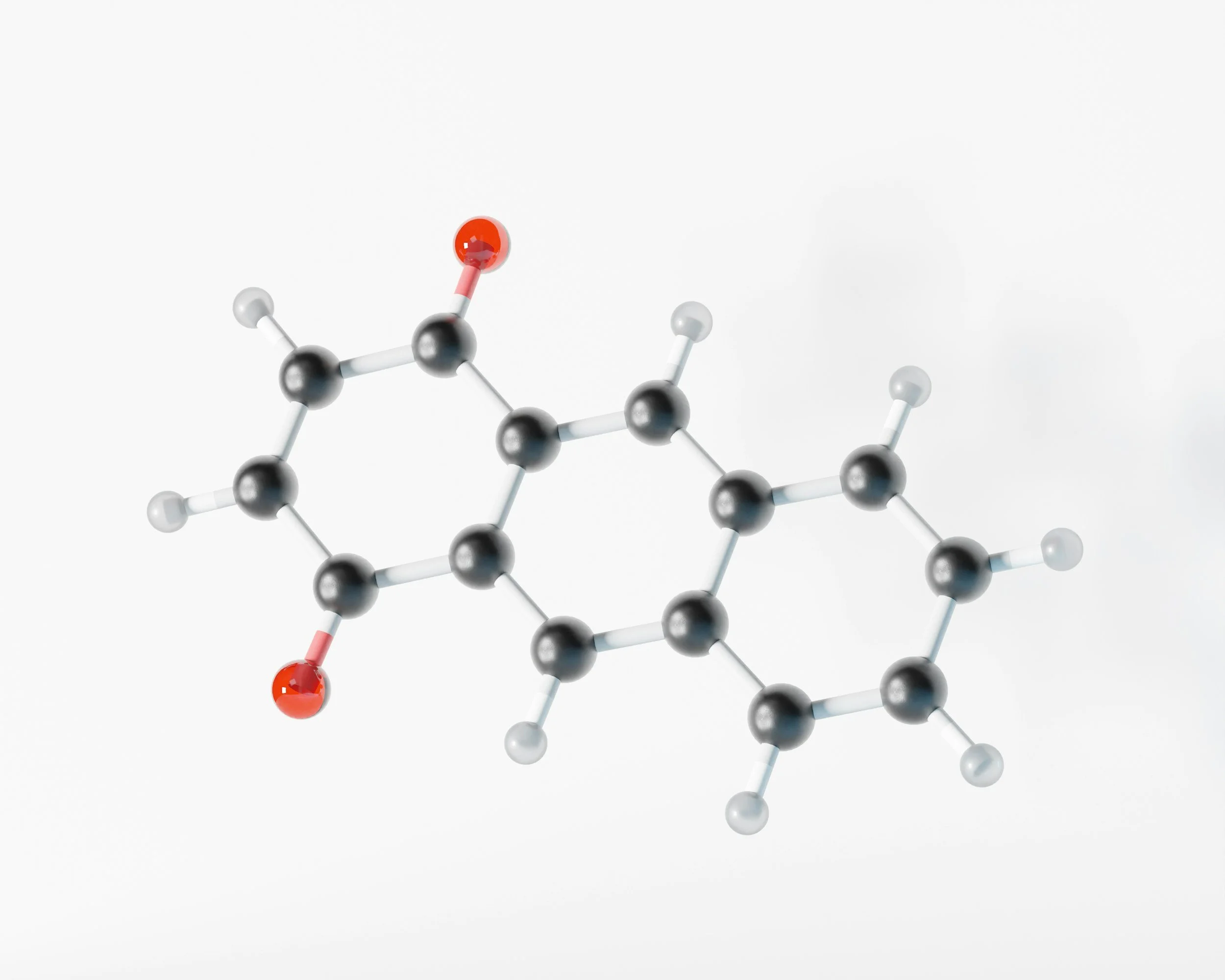
Emily Royse, Ph.D.
II taught Anatomy & Physiology at the college level for eight years before founding Royse Education Studio to design learning experiences that help students succeed in science.
Early in my career, I was immediately struck by the challenges of teaching and learning within the pre-health anatomy and physiology pipeline. As a student, I had watched friends fail the class again and again. As a teacher, I wondered how to stop that cycle. I went looking for a fix in the research, which morphed into a dissertation. Seeing dimensions of the problems in the literature affirmed what I experienced in the classroom, but could not make it disappear. Every fall brought the same pattern: students arriving with wildly different levels of prior knowledge, and gaps that stayed invisible until the first exam forced them into the open.
High school A&P has an advantage that college-level courses sometimes skip: biology is a pre-requisite. But, the leap from biology foundations to A&P applications is significant, and the first exam morale deflation can diminish both student hopes for entering healthcare careers and educator confidence in scaffolding the rest of the course to rekindle that spark.
This is the question that's nagged me for years: what if we could identify and address learning gaps before the first exam, instead of after? Solving this would be the first step to designing courses where students start strong instead of failing the first exam and emotionally checking out. The A&P Readiness Roadmap is my answer.
Who Is The Pilot For?
This pilot is a good fit if you:
✔ Teach high school or dual enrollment Anatomy & Physiology
✔ Want to spend less time guessing what students remember
✔ Like trying new instructional tools
✔ Are willing to provide feedback
As a pilot teacher, your experience will shape future versions of the Roadmap.
I'm especially interested in learning:
Which prerequisite concepts matter most in your classroom
How the recommendations fit your curriculum
What additional supports would help you and your students
FAQs
Is there a cost to join the pilot?
1
No. Pilot teachers participate at no cost, and receive a discount on the finished tool in future years as a thank-you for their time and feedback.
How much time does the Bridge Assessment take?
2
About 30 minutes of student time, and roughly 45 minutes total to administer, including setup. It's completed virtually through Google Forms.
Do I have to grade the assessment myself?
3
No. Scoring and report-building are handled for you. You'll receive a two-page Rollout Report summarizing your class's results.
What about student data privacy?
4
Piloting requires a data sharing agreement between Royse Education Studio and your school or district. The assessment doesn't collect student names, only their responses, which are used to build your class report and track trends like changes in course pass rates.
Do the Readiness Tune-Up sessions count toward Professional Development credit?
5
Where your state allows it, the four sessions may qualify for up to 4 hours of PD credit (2 group, 2 individual).
I'm working with a small cohort of 5 teachers for this first round, so I can meaningfully incorporate feedback into the next version.
How many teachers are in this pilot?
6
Interested in joining the pilot?
I'm currently looking for a small group of Anatomy & Physiology teachers who want to help shape the first edition of the A&P Readiness Roadmap.
If you'd like updates, pilot details, and an opportunity to participate, I'd love to hear from you.
If you indicate on the form that you are interested in joining the pilot, you'll get an email with a link to schedule a short discovery call — no obligation, just a chance to see if the pilot's a fit and get your questions answered.